What is the digital marketing strategy that tracks users across the web?
What is Retargeting?
Retargeting is a strategy where ads are shown to people who have previously visited your website or interacted with your brand online. It works by placing a small piece of code (a tracking pixel or cookie) on the user’s browser when they visit your site. This pixel then follows the user as they browse other websites, allowing you to show them targeted ads wherever they go online.
Thank you for reading this post, don't forget to subscribe!How It Works:
- A visitor lands on your website.
- A cookie or pixel from platforms like Facebook, Google, or LinkedIn is placed in their browser.
- When they visit other websites or apps, your ads appear to remind them about your brand, product, or offer.
- The user clicks and comes back to your site — often with a higher chance of converting.
Platforms That Support Retargeting:
- Google Ads (Display & Search Retargeting)
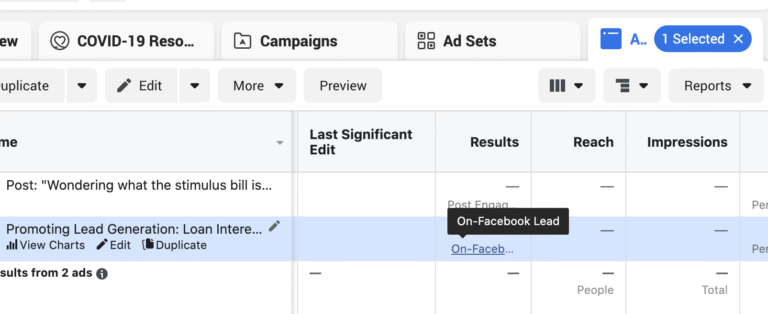
- Meta Ads (Facebook & Instagram)
- YouTube Ads
- LinkedIn Ads
- Pinterest Ads
- Programmatic Advertising Platforms (like AdRoll, Criteo)
Benefits of Retargeting:
- Increases brand recall
- Improves conversion rates
- Offers personalized ad experiences
- Helps recover abandoned carts or forms
- Maximizes your ad budget by focusing on warm leads
Bonus Term: Cross-Device Tracking
If you’re tracking users across different devices (like desktop to mobile), that’s often referred to as cross-device retargeting, which uses login data or advanced attribution models.