Digital Marketing Strategy
Updated: July 31, 2025
Thank you for reading this post, don't forget to subscribe!In today’s online world, having a digital presence isn’t enough — you need a clear and smart digital marketing strategy to attract customers, generate leads, and grow your business.
Whether you’re a small business owner, freelancer, or marketer, this guide will walk you through the key elements of a winning digital marketing strategy in 2025.
✅ What Is a Digital Marketing Strategy?
A digital marketing strategy is a plan that outlines how your business will use online channels — like websites, search engines, social media, email, and paid ads — to achieve specific goals.
It includes who you’re targeting, what messages you’re sharing, and which platforms you’ll use to reach your audience.
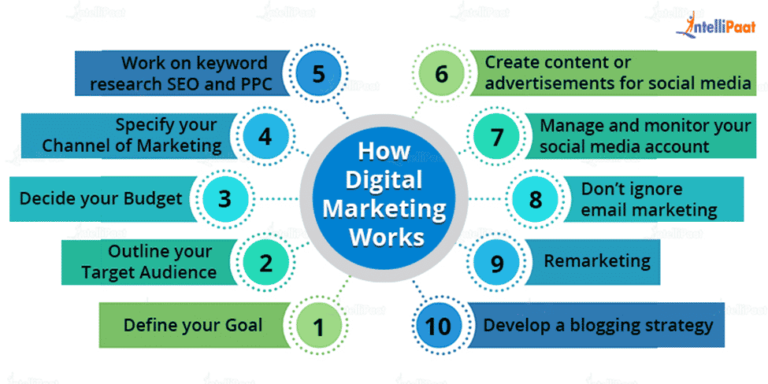
🎯 Step 1: Define Your Goals
Start with clear, measurable goals like:
- Increase website traffic
- Generate 500 qualified leads/month
- Grow your Instagram to 10K followers
- Boost online sales by 30% in 6 months
Set SMART goals (Specific, Measurable, Achievable, Relevant, Time-bound).
🧑💼 Step 2: Know Your Target Audience
Understand your ideal customer:
- Age, gender, location
- Interests and pain points
- Online behavior
- What platforms they use (Instagram, YouTube, LinkedIn, etc.)
Tools like Google Analytics, Meta Audience Insights, and Ubersuggest can help.
🌐 Step 3: Build a Strong Online Presence
Your website is your digital home. Make sure it’s:
- Fast and mobile-friendly
- Clear with CTAs (calls to action)
- SEO-optimized for relevant keywords
- Connected to your analytics tools
Also, claim and optimize your Google Business Profile.
📈 Step 4: Focus on SEO (Search Engine Optimization)
Organic traffic is long-term gold. Invest in:
- Keyword research
- Optimizing on-page content (titles, headings, meta descriptions)
- Blogging regularly
- Earning backlinks
- Technical SEO (speed, mobile, indexing)
Use tools like Ahrefs, SEMrush, or Google Search Console.
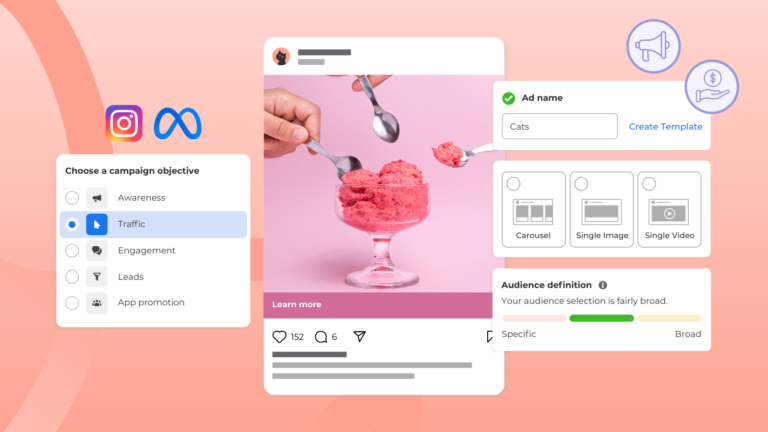
💰 Step 5: Run Paid Ads (PPC)
Use paid ads for faster results, especially for lead generation or product launches.
Popular platforms:
- Google Ads (Search, Display, Shopping)
- Meta Ads (Facebook & Instagram)
- YouTube Ads
- LinkedIn Ads (B2B targeting)
Track ROI using UTM parameters and conversion tracking.
📲 Step 6: Social Media Marketing
Choose the platforms where your audience is active.
- Create engaging, consistent content
- Use video (Reels, Shorts, YouTube)
- Run story polls, Q&As, and lives
- Collaborate with influencers
- Schedule posts using tools like Buffer or Later
📧 Step 7: Email Marketing
Build and nurture an email list.
- Offer lead magnets (free guides, checklists)
- Send regular newsletters
- Use automation (welcome series, follow-ups)
- Segment lists for better targeting
Tools: Mailchimp, ConvertKit, Brevo (formerly Sendinblue)
📊 Step 8: Track and Optimize
Use analytics to measure what’s working and what’s not.
- Google Analytics 4
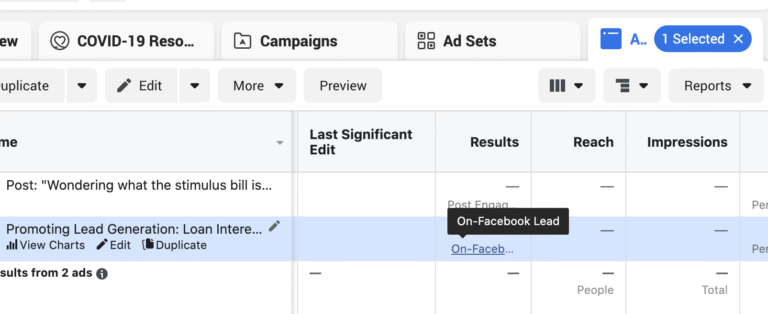
- Facebook/Meta Ads Manager
- Hotjar or Clarity for heatmaps
- A/B testing for landing pages and ads
Adjust your strategy every 30–60 days based on performance.
🧠 Bonus: Retargeting Strategy
Retargeting (Remarketing) is one of the most powerful digital marketing strategies. It tracks users across the web and shows your ads to people who’ve visited your website or clicked your content.
Use platforms like:
- Meta Pixel (Facebook & Instagram)
- Google Remarketing Tags
- LinkedIn Insight Tag
Retargeting boosts conversions by reminding interested users to come back and take action.
Final Thoughts
A solid digital marketing strategy blends creativity, data, and consistency. You don’t need to master everything at once — start small, focus on what brings results, and grow from there.
In 2025, the brands that win online will be the ones who know how to attract, connect, and convert their audience across platforms.